AI was supposed to lighten the load, so why is everyone so tired?
By Kris Van Hauwermeiren ·
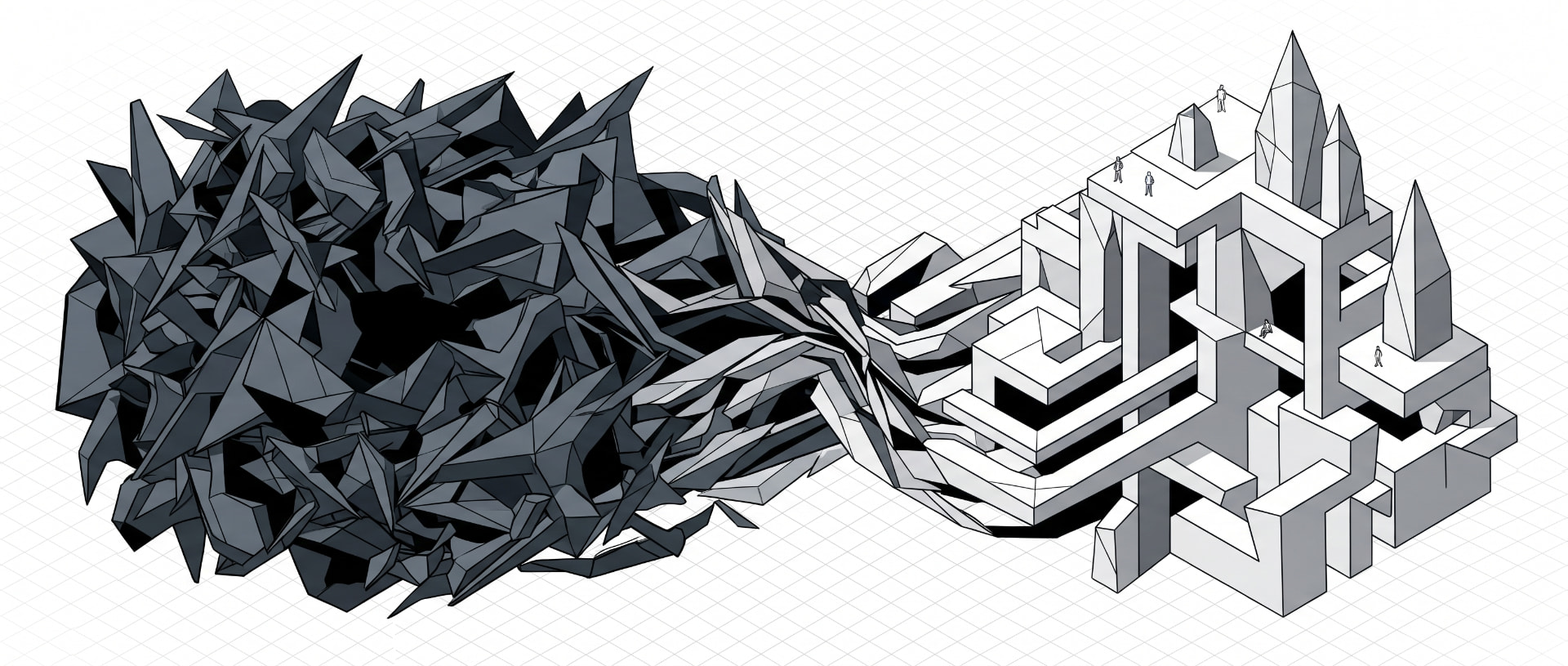
AI can make the machine faster while leaving the person more tired. Brain fry is the overload you feel; cognitive debt is the thinking skill you quietly lose. Better habits protect both your energy and your judgment.
AI was supposed to take work off our plates. Less busywork, more free time, a lighter day. So here is an honest question. If that is true, why do so many people feel more tired than before, not less? You have probably felt it yourself, or seen it in your team. A day full of AI tools that somehow ends with a foggy head and the strange feeling that the day ran you instead of the other way around.
There is a real reason for this, and it has two parts. The first is obvious once you name it. The second is quieter and, I think, more serious. Let me walk through both.
Part one: the tiredness you can feel
People have started calling it brain fry, and researchers are now studying it. The simple version is this: AI was meant to do more for us, but in practice it often means we have more to manage, not less.
Think about what a normal day with AI actually looks like. More tools to switch between. More output to read, check, and fix. And because the tools are fast, more is now expected from you in the same hours. On top of that, the work never reaches a natural end. There is always another prompt to try, another version to improve, another message waiting. Like a feed that never ends, the AI rarely tells you to stop.
A large study of knowledge workers found exactly this pattern. AI raised what was expected of people, the tools gave no natural finish line, and the constant stream of new outputs kept pulling at their attention. The result was mental fog, slower decisions, and a crowded, tired mind. The machine got faster, but the person behind it did not, and the gap in between is where the tiredness lives.

Part two: the cost you cannot feel yet
The second part is harder to notice, because it builds up slowly and quietly. When you hand your thinking to AI often enough, the part of your mind that used to do that thinking starts to fade. Researchers call it cognitive debt, and the studies are a little unsettling.
One line of research found that the more people trust AI, the less they think critically about what it gives them. Other studies found that frequent AI use lines up with lower critical thinking scores, and that the effect is strongest in younger workers. In one experiment, people who leaned heavily on AI to write could not even recall what they had just produced. The work came out of the tool, but it never really went into their head.
This matters more than tiredness, and here is why. In an earlier article I argued that you should always keep a human in the loop, a person checking the work that matters. But that only works if the human still has the sharpness to catch a mistake. If AI has quietly worn down that skill, you have a person in the loop who can no longer tell when the AI is wrong. The guard is still standing there, but asleep. That is the real danger, and almost nobody is watching for it.
What this means for you and your team
I want to be clear. This is not an argument against AI. The tools are genuinely useful, and I use them every day. The point is that how you use them decides whether they lighten your load or quietly drain you. A few simple habits make the difference.

- Give the work a finish line. Decide when a task is good enough and stop, instead of chasing one more version forever.
- Protect some AI free thinking. Keep a part of your work where you think it through yourself first, so the skill stays alive.
- Use AI to challenge your work, not just to produce it. Ask it to find holes in your thinking, rather than handing over the thinking itself.
- Make sure you can explain it. If you cannot say an AI answer back in your own words, you do not really understand it yet, and you are not ready to rely on it.
- Build in real breaks. Balance the fast digital work with slower things: a walk, a proper conversation, time away from the screen. A tired mind catches nothing.
The point worth keeping
AI can lighten your load, but it does not do it automatically. Left unmanaged, it hands you more to juggle and slowly dulls the thinking you need to use it well. Managed with care, it takes the boring work off your plate and leaves your mind free for the things that actually need a human. The difference is not the tool; it is the habits around it. Protect your team's energy and their sharpness, and AI becomes the help it was always meant to be. Helping companies get the gain from AI without paying for it in tired, dulled out people is a big part of what I care about.
About the author
Kris Van Hauwermeiren is the founder of Binary Rabbits and a Tech Director with 25+ years of enterprise experience in digital transformation, AI and technical leadership.